

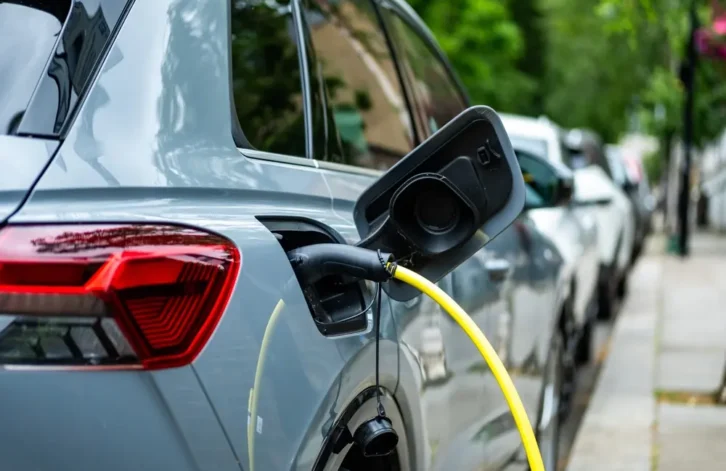
The electric market in the UK is changing rapidly over time because people are now looking for alternatives to petrol- and diesel-powered cars. While new electric cars can be expensive, used models are available for buyers with a tight budget. With the fall in prices, the increase in availability of more vehicles, and advancements in battery technology, electric cars are becoming more accessible.
But the question here is: are used electric vehicles worth considering? Buyers should take a deeper look into several factors, including battery health, cost of charging, fluctuation in prices, and the resale value.
The Growing UK Electric Market
The UK electric car market has witnessed significant growth in its used category. According to data from the Society of Motor Manufacturers and Traders (SMMT), second-hand electric car transactions increased by up to 45.7% in 2025. Growth does not stop here. The growth graph goes upward in the second quarter of 2026, with an increase of up to 67%.
The growth shows the increasing interest of buyers and the variety of electric used car models. As more companies are now offering these vehicles, buyers are getting more options available to find used cars for sale in UK.
Why Should Buyers Consider Used Electric Cars
Lower Purchase Price
One of the best advantages of buying a used electric car is that they come at an affordable price. Electric cars can depreciate as manufacturers introduce newer models with more efficient batteries, driving range, and advanced technology. This depreciation is particularly beneficial for buyers looking for cheaper electric cars.
Reduced Running Cost and Maintenance
Used electric cars provide relatively lower running costs. Charging at home, especially at off-peak tariff times, can make it cheaper for buyers compared to refueling every time the tank gets empty. But the cost can vary; people who charge at expensive charging stations can face considerably higher costs than people who charge at home.
Used EV vs petrol car: which offers better value?
The choice between a used EV and a petrol car is more than just the starting price. Used petrol vehicles have lower upfront costs; EVs offer reduced running costs and maintenance expenses.
EVs have fewer mechanical components, no traditional engine oil change expense, and a regenerative braking system. But buyers should still consider expenses like battery replacement and specialist repair costs before purchasing.
Used EV cars may lose their value more quickly, providing opportunities for buyers to move to newer models. Petrol-powered vehicles usually have a predictable resale value.
EV cars are suitable for regular or limited journeys, while petrol vehicles are still the more practical option for long journeys.
What are the Risks Of Buying a Second Hand Electric Car?
Battery Health and Degradation
Battery health is one of the most important things to consider before buying second hand electric cars. Although modern batteries provide better driving range, their driving capacity may decline with time and mileage. Before buying, buyers should ask for the battery State of Health (SoH) to know the actual condition and remaining capacity. Buyers should also check the manufacturer’s battery warranty, including remaining battery life, mileage, and minimum guaranteed capacity.
Driving Range and Charging Availability
The older the car is, the less mileage it will go. Cold weather, speed on the road, and driving style are all factors that can reduce the driving range of any electric car. Charging access is another important thing to consider. People who charge at home can benefit from overnight charging. But people living in flats have to rely on public charging stations. Before buying, buyers should know how much they have to travel daily and check if there is any possibility of charging the car.
Insurance and Depreciation
Insurance premiums depend on the EV model, cost of repairs, and battery technology. Buyers must get the insurance before purchasing. Resale value is another important factor that can’t be neglected. Depreciation makes used electric cars affordable, but declining resale value as technology advances makes them less appealing.
What Should Buyers Check Before Purchasing a Used EV?
Careful inspection before buying an electric car can help avoid costly expenses in the future. Take a look at the points mentioned below:
- Always check an independent battery health report. Also, check the signs of any possible damage.
- Verify the validity of the battery warranty and transfer it to the next owner.
- Make sure to check charging capabilities. Check charging connectors, charging speed, and that all the necessary charging points are available.
- Test the driving range to see whether its driving range is the same as shown in the advertisement.
- Check UK rules and compare ownership costs.
A pre-purchase inspection should be done prior to buying an older or high-mileage electric vehicle.
Which Used Electric Cars Are Worth Considering?
Multiple models in the second hand electric car market are worth considering. Nissan Leaf is a suitable and affordable option for those looking for an affordable electric car for daily commuting and intercity driving. The MG4 offers more practicality and modern design. Meanwhile, the Tesla Model 3 is the best option for those who travel long distances and value technology or Tesla’s charging ecosystem. But buyers should make the final decision on the basis of battery sizes, charging capabilities, and equipment level.
Should You Buy a Used Electric Car in UK?
Used electric cars can become the best vehicle option to buy in the UK if buyers have access to compatible charging, know their daily driving journey, and have a vehicle with a battery in good health. But they may not be suitable for drivers who are looking for a car for long-distance travel and don’t have proper access to charge the vehicle.
The extensive automotive market, including trusted Japanese car exporters like SAT Japan, also helps buyers get access to multiple UK electric car options. Buyers who are searching for imported vehicles must consider charging compatibility, vehicle specifications, and UK registration requirements.
Buying a used EV car is not just about finding a cheaper car. Battery condition, future resale value, and charging convenience all impact the buying decision.
Frequently Asked Questions
1. How many miles can a used electric car last?
A well-maintained car can travel up to 100,000 miles, depending on battery condition, driving habits, and maintenance history. Buyers must check the vehicle’s mileage, battery condition, and service history.
2. Are used electric cars reliable in the UK?
Many used electric vehicles are extremely reliable on UK roads. The condition depends on the model, car mileage, and usage. Before purchasing, buyers must check for software problems, charging issues, and suspension wear.
3. Can I charge my EV at any public charging station?
Not necessarily. Compatibility depends on the charging speed and the type of connectors of your specific vehicle.
4. Is it worth buying an imported used electric car in the UK?
Imported used electric vehicles provide multiple model options and competitive prices. Buyers must check UK road approval, vehicle history, warranty coverage, and whether replacement parts are easily available in the local market.
5. Can I finance a second-hand electric car in the UK?
Yes. Several UK dealerships offer financing options for UK buyers. Buyers can check Higher Purchase (HP) and Personal Contract Purchase (PCP) depending on the car’s suitability.