
From 12-16th October, thousands of visitors came to Milton Keynes to take part in over 40 events hosted by businesses and sponsors throughout the city, including a range of panels, workshops, demos and networking sessions to build new connections across business, research and government.
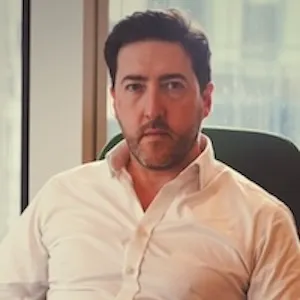
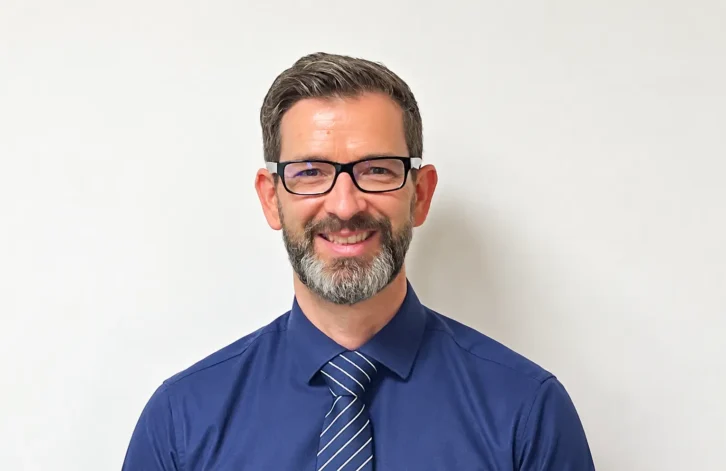
Now the event has drawn to close, UKTN spoke to Matt Allen, Founder & Executive Director of the Oxford-Cambridge Supercluster and Paul Thomas, Director of Planning and Placemaking at Milton Keynes City Council about the legacy of the event, the opportunities they hope it will create, and their ambitions for Milton Keynes’ tech future.
- Having spent the week engaging with innovators, businesses and industry leaders, what has surprised you most about the conversations taking place at Milton Keynes Tech Week? Have any new perspectives or opportunities emerged?
Paul: The thing that stood out for me was the confidence and maturity of the conversation. Milton Keynes is no longer talking about its potential as an innovation location; businesses and partners increasingly see that potential is already being realised.
I was particularly encouraged by the breadth of organisations engaging with one another – from startups and scale-ups to major employers, universities, investors and the public sector.
Milton Keynes’ reputation as a practical testbed – a place where new ideas can be developed, demonstrated and deployed at city scale – shone through, and the week also reinforced that our strengths in mobility, data, AI, advanced technology and sustainable growth are mutually reinforcing rather than separate propositions.
Matt: I’m leaving Milton Keynes excited about the range of early-stage businesses present in the city. They were all consistent in their view: give us the right funding and the right structure and we will succeed.
The challenge now is to help those businesses scale by helping them access the pathways to investment. Oxford and Cambridge are excellent at providing ‘wraparound care’ to startups so they’re supported at every stage. We need to make sure that the same care is available to businesses here too, because helping them to scale is critical to the economic growth of the UK.
- Looking across the discussions this week, what would you say are the biggest challenges facing technology businesses as they seek to grow and scale? Were there any common themes or potential solutions that emerged?
Paul: The recurring challenges are access to skilled people, suitable grow-on space, long-term investment and the ability to navigate fragmented support systems.
For scaling businesses, connectivity matters in every sense: digital infrastructure, transport links, access to research expertise, customers and supply chains.
There is a clear appetite for a more coherent offer, making it easier for firms to understand where support, finance, talent and partnership opportunities can be found.
Matt: It really is all about education and access. Educating firms about what’s available to them and ensuring they have access to what they need.
This approach will enable us to get Milton Keynes on the map when it comes to government contracts, for example. I want government bodies to know that this is the place to come when they have a problem to solve and want an innovative solution. Milton Keynes has a fantastic reputation of supporting defence and security through Bletchley Park and HMGCC. We need to ensure that startups have the tools to build on that legacy.
- What can other locations across the Oxford–Cambridge Supercluster learn from Milton Keynes’ approach to innovation, and equally, what could Milton Keynes learn from the experiences and expertise of other parts of the region?
Paul: Milton Keynes shows the value of combining a pro-growth culture with a willingness to experiment. Our scale, connectivity and distinctive planned-city origins give us the ability to test innovation in real-world settings.
Our approach is strongest when innovation is connected to improving the city in specific ways: for example, using technology to improve mobility, support sustainable growth, strengthen public services and create a better experience for residents and businesses.
Matt: Milton Keynes can learn from the connectivity and support given to scaling businesses in Oxford and Cambridge. But Milton Keynes occupies a unique place where ideas are tested and developed. The opportunity is to connect these complementary strengths, not to replicate one another.
The challenge now is about connecting the Supercluster to enable skills and knowledge sharing. The East West Rail project is vital for this as it will enable the physical connection of talent and ideas. Take science parks across the cluster for example: currently they rarely communicate and have little visibility of what each is doing. Making those connections will mean ideas can be shared and developed much more quickly.
Milton Keynes has done exceptionally well in a short time; people forget that the city was only built 60 years ago, and there’s a lot that other cities can learn from how it has forged its path.
- As the Oxford–Cambridge Supercluster continues to develop, how can we ensure that its benefits extend beyond established innovation centres, creating opportunities for businesses, communities and people across the entire region?
Paul: We need to treat the Supercluster as a network of connected places, institutions and communities, rather than a small number of established centres.
Local authorities have an important convening role: translating regional ambition into investable propositions and ensuring that growth responds to local strengths and needs.
Success should be measured not only by investment secured or companies created, but by better jobs, wider participation and tangible benefits for communities across the corridor.
Matt: I think we also need to tell the story better – not just shout about building things, but explain why we are building them. In doing so, we will put the quality of life at the centre; opportunities, jobs, skills, fast growing companies, so people see future opportunities. Supporting innovation in Milton Keynes and supercharging the Supercluster needs to be viewed as an economic development project rather than infrastructure, so everyone appreciates the benefits.
Other sectors gain from boosting innovation. Economic vibrance has a knock-on effect to other sectors – leisure and hospitality, for example. Everyone wins, we just need to explain how.
- With so much innovation happening across the corridor, is there a risk that individual locations end up competing for investment, talent and resources rather than collaborating? How can the region strike the right balance?
Matt: The Supercluster was created with collaboration as a purpose. It’s greater than the sum of its parts and, by working together, we can promote the Supercluster on the global stage. Individual towns and cities will struggle to achieve what the Supercluster can as a collaborative effort; by connecting everyone can benefit.
Paul: Healthy competition can sharpen each place’s offer, but uncoordinated competition risks diluting the region’s collective proposition and simply moving activity around.
We should be clear about the distinctive role each location can play and present those strengths as complementary parts. Collaboration should focus on the issues no single place can solve alone: strategic infrastructure, skills, inward investment, innovation finance and international promotion.
For Milton Keynes, the right balance is to be confident about our own offer while remaining generous and practical partners across the Oxford–Cambridge region.
- What are the biggest practical obstacles to realising the Supercluster’s potential, and Milton Keynes’ potential more specifically, whether that’s infrastructure, funding, skills or policy, and what needs to change to overcome them?
Paul: The biggest obstacle is fragmentation: strategies, funding streams, infrastructure decisions and business support do not always operate at the same geography or move at the same pace. That’s why it’s so important that we try and connect those dots.
Milton Keynes also needs continued investment in transport, digital and energy infrastructure, alongside the homes, employment space and amenities required by a growing innovation economy.
Skills provision must also respond more quickly to employer demand, while opening routes into technology careers for people from every part of the city.
National policy and funding need to give successful growth locations greater certainty and flexibility, enabling us to plan ahead and unlock delivery rather than repeatedly compete for short-term pots.
- Building on the momentum of Tech Week, what are the immediate priorities for strengthening collaboration within Milton Keynes and across the Supercluster? What actions would you like to see businesses, local authorities and other stakeholders take next?
Paul: First, we need to capture the relationships, ideas and commitments generated by Tech Week and establish clear follow-up, so the event becomes a platform for year-round collaboration.
Within Milton Keynes, I want to see us reinforce our shared innovation narrative and further develop our pipeline of projects that partners can support, fund and promote together.
Businesses should continue to articulate what they need to scale; local authorities should remove barriers and convene delivery; and universities, colleges and investors should help turn talent and ideas into growth.
The success of Tech Week gives us momentum. The priority now is disciplined follow-through that strengthens Milton Keynes’ standing and delivers measurable outcomes for the city and the wider region.
Matt: We’ve recently published the ‘Vision for the Oxford to Cambridge Growth Corridor’, that gives us a shared strategic framework with government backing. It’s an ambitious vision including objectives to reach 160,000 jobs and £105bn additional venture capital by 2035. Now, it’s about realising that vision.
We need to establish a common goal, such as becoming a top 10 innovation cluster, globally. Then we can share the story of the vision and work together to get there. By breaking that bigger goal down into small steps we can facilitate collaboration to create real value. But telling the story so we bring everyone along on the journey is of the utmost importance.