

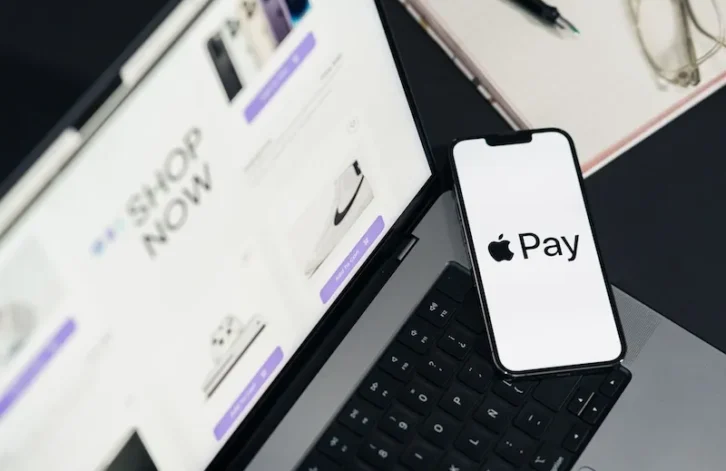
The most significant change in British online shopping is happening at checkout. More and more iPhone users are buying things online without typing in a single card number. Now, Apple Pay has turned the phone in your pocket into a payment tool, and it’s quietly changing how people interact with their shopping adventures.
How Apple Pay became part of everyday spending
This isn’t just about traditional online shops, either. Someone exploring online casinos that accept Apple Pay, for example, encounters the same checkout technology used when purchasing clothes online. Across different websites, mobile payments offer an easy alternative to typing out your card details by hand.
Recent research demonstrates how widespread this behaviour has become. For instance, UK Finance reported that 65% of UK adults were registered for mobile payments in 2025. That was up from 57% in 2024.
A separate Which? Study backs this up. Its October 2026 study found that 62% of UK adults were using digital wallets. Interestingly, Apple Wallet led the market, with 50% of digital wallet users reporting to use it.
Why convenience influences payment choices
The appeal comes down to how little effort it takes. Imagine someone ordering groceries on an iPhone. Rather than retrieving a bank card, the shopper selects Apple Pay and confirms the transaction using Face ID.
Security also supports this experience. According to Apple’s own documentation, online merchants never see your actual card number. They get a device-specific account number instead.
Convenience begins even earlier. The Which? study found that 48% of wallet users selected their preferred provider because it was already configured on their device or account.
Is Apple Pay really the UK’s default?
Apple Pay is the leading digital wallet in the Which? research, but that does not establish it as Britain’s most-used online payment method. Where it really shines is with younger shoppers. Which? found that 88% of 18 to 24-year-olds use digital wallets, compared with just 34% of those aged 65 and over.
However, availability still shapes adoption. Some retailers support Apple Pay at online checkout, while others require card details. This means convenience depends on merchant integration, not simply owning a compatible iPhone.
What comes next for digital payments?
Competition is becoming increasingly important. On 20 October 2026, the Competition and Markets Authority proposed measures to give rival providers better access to iPhone contactless technology.
David Geale, Managing Director of the Payment Systems Regulator, welcomed the move, saying improved access should create “greater competition and more choice.”
Whatever happens next, Apple Pay has already pulled off something impressive. Paying digitally now feels like a natural part of using an iPhone, even though traditional cards are still a big part of how we spend in the UK.