

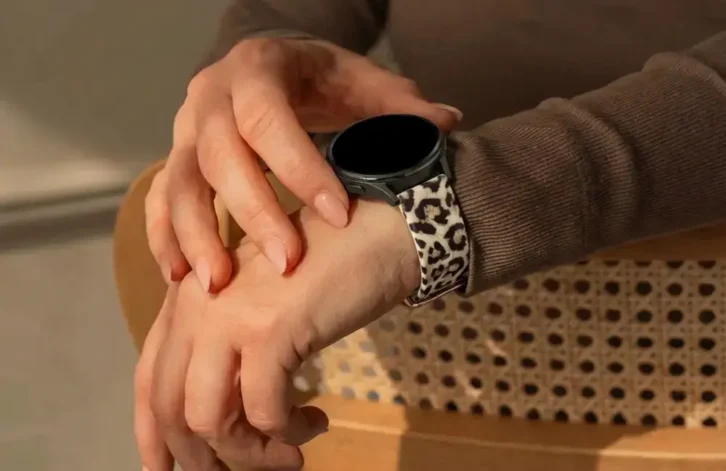
The wearable technology industry has traditionally been driven by innovation. Improved sensors, artificial intelligence, advanced health monitoring and more efficient processors have given consumers plenty of reasons to upgrade their devices. However, as the market matures, another opportunity is emerging: extending the lifespan of existing hardware.
For technology manufacturers, startups and accessory retailers, the shift towards a more circular economy could create new revenue streams while addressing the environmental challenges associated with consumer electronics.
Rethinking the consumer electronics lifecycle
The technology sector has historically encouraged consumers to replace devices every few years. Yet many smartwatches remain perfectly capable of performing their core functions long after newer generations have entered the market.
Research published by the University of Surrey in September 2026 highlights the broader challenges surrounding electronic waste in Britain. Among the devices brought to Repair Cafés examined in the research, 50% were successfully repaired, while a further 28% were considered potentially repairable.
These findings raise an important question for the wearable technology industry: could more products be designed to remain useful for longer?
While battery degradation and software support present technical challenges, other components can be replaced relatively easily without discarding an entire device.
Modular design creates new commercial opportunities
Interchangeable components represent one of the simplest ways to extend the practical lifespan of wearable technology.
The Garmin Forerunner 55, for example, uses a standard 20mm quick-release strap system. Despite being an older generation of running watch, it offers functionality that remains relevant to recreational athletes, including GPS tracking, heart rate monitoring and training guidance.
Consumers can replace worn-out Garmin Forerunner 55 straps rather than purchasing an entirely new device because of a damaged or uncomfortable strap.
This relatively straightforward design decision also creates opportunities for independent accessory manufacturers and specialist retailers. Standardised connections allow third-party businesses to develop compatible products without requiring consumers to remain within a single manufacturer’s ecosystem.
The growing ecosystem around wearable technology
The commercial value of a smartwatch is no longer limited to its initial purchase price. Accessories, software subscriptions, repair services and digital fitness platforms all contribute to a wider ecosystem.
Specialist retailers such as Smartwatch-Straps.co.uk illustrate how businesses can build their proposition around existing hardware from multiple technology brands.
For e-commerce businesses, this creates opportunities to serve consumers throughout the ownership lifecycle of a product rather than focusing exclusively on new device launches.
Meanwhile, innovation within the wider wearable sector continues. Scottish sports technology startup Theo Health raised £1.2m in 2025 to develop smart clothing capable of delivering real-time performance data to athletes and coaches.
As wearable technology expands beyond conventional smartwatches, ensuring that hardware remains adaptable, maintainable and commercially viable over longer periods could become increasingly important.
Software support as a competitive advantage
Hardware durability alone cannot guarantee a longer product lifecycle. Continued software support, security updates and compatibility with mobile operating systems are equally important.
A smartwatch may remain physically functional for years, but its usefulness can diminish if the associated applications or connected services are discontinued.
Manufacturers that commit to longer support periods could strengthen consumer confidence and differentiate themselves in an increasingly competitive market.
There is also an opportunity for businesses specialising in diagnostics, refurbishment, replacement components and second-hand technology to establish themselves within the wearable sector.
Could longevity become the next selling point?
The next phase of wearable technology innovation may not be defined exclusively by more powerful processors, additional sensors or AI-powered features.
Product longevity, repairability and compatibility could become increasingly valuable differentiators, particularly among consumers looking to balance technological convenience with affordability and environmental responsibility.
For the UK’s technology ecosystem, this presents an opportunity to rethink how value is created after a device has been sold.
Rather than relying solely on shorter replacement cycles, businesses could benefit from developing products and services that keep existing technology relevant for longer.
Sometimes, the most valuable innovation is not encouraging consumers to buy another device, but giving them more reasons to keep the one they already own.