Register for Free
Bookmark your favorite posts, get daily updates, and enjoy an ad-reduced experience.
Already have an account? Log in

Bookmark your favorite posts, get daily updates, and enjoy an ad-reduced experience.
Already have an account? Log in
Greater Manchester’s tech ecosystem has reached a point of maturity. It is the leading producer of tech unicorns outside of London. Its tech firms raised the highest levels of funding outside of the UK capital. Locally founded brands such as Boohoo and Missguided have scaled up to become household names. It has a tech presence on the London Stock Exchange with THG. Foreign direct investment is also high and global recognition is robust. But while its tech ecosystem is in a position of strength, there are always more opportunities to grasp.
"What the Midlands has done well is capitalising on the industries the regional economy was built on," says Aaron Baker, investor at BGF. "The automotive sector and its entire supply chain has seen exceptional tech innovation in the region – from batteries to electric vehicles – and that's because of the talent, experience, and rich heritage here. And this has evolved into global leading verticals in the sector, such as Leamington Spa's dominance in the gaming industry."
Manchester is one of the UK’s most internationally recognised tech hubs outside of London. US tech giants Google and Microsoft selected Manchester to establish regional bases. And the region’s global reputation has spurred overseas investment, with government figures showing more than 3,800 jobs were created and 76 local enterprise projects were closed in Greater Manchester. Indeed, 79% of the city-region’s tech decision-makers say that Greater Manchester’s tech ecosystem is internationally recognised.
Foreign-owned companies employ around 172,000 and are worth £37bn to the Greater Manchester economy, while the value of Greater Manchester’s services exports increased from £8.4bn in 2019 to £8.8bn in 2020. The Greater Manchester Export Plan for 2022-2025 has identified fintech, online gaming, ecommerce software, insurtech and e-health as sub-sectors that the city-region can capitalise on.
Artificial intelligence – thanks to advances in generative AI with tools like ChatGPT – is the tech sub-sector du jour. It has the potential to ramp up productivity and drive business innovation – indeed, Greater Manchester’s tech leaders see it as the standout area for growth over the next five years. Companies like Mindtrace and Netacea are combining both cybersecurity and AI, while Peak provides intelligence software for retail businesses. Businesses in the city-region are well-positioned to capitalise on the AI boom where there is overlap with other sub-sectors such as ecommerce, cybersecurity, creative, clean tech and health tech.
“We’re witnessing the growth of the AI and cybersecurity industry in the city, which is brilliant, especially as AI is seeing so much prominence globally,” says Katie Gallagher, MD of Manchester Digital & chair of the UK Tech Cluster Group. “We’re really at a tipping point with these technologies so we’re going to see a lot of exciting things happen over the next few years.” Academic institutions and associated programmes – such as the University of Manchester Innovation Factory – and spinout support organisations such as Northern Gritstone – mean the region’s spinouts are well-supported. In fact, Manchester has the highest growth in the number of new spinouts in the UK, according to Beauhurst.
The rapidly changing nature of work requires a holistic approach to digital skills that includes academia, reskilling and non-traditional routes. “This will range from high-level technical skills but also essential digital skills that allow people to use new services, products and practices,” says Matt Robinson, head of nations and regions at techUK. “This will need to consider and support SMEs and businesses that aren’t currently using tech in their everyday practice.”
Over 30% of Greater Manchester’s population comes from diverse communities. The city-region’s tech leaders ranked diversity of talent as a key strength for businesses. Pradeep Anbudaiyan, director of corporate sales & sales academy at CDW UK, says that “installing early childhood programmes that highlight careers in technology is key, especially towards girls and women as the market continues to struggle to attract female talent”.
The recent devolution deal struck between Greater Manchester and the government gives the city-region the ability to revamp technical education for post-16s in a bid to ensure courses are relevant for the local job market. This has the potential to deliver a radically different educational approach that’s better suited for today’s business needs. “As a tech ecosystem, our regional, municipal and tech leaders know specifically what we need as a region to grow the industry, and these decisions need to be made in Greater Manchester, not Whitehall,” says Gallagher.


“I am looking forward to seeing how GMCA’s devolved approach to post-16 technical education develops. A recognised technical route to parallel the traditional academic pathway will ensure that our young citizens have the digital and technical skills required by industry, both today and in the future.”
"What the Midlands has done well is capitalising on the industries the regional economy was built on," says Aaron Baker, investor at BGF. "The automotive sector and its entire supply chain has seen exceptional tech innovation in the region – from batteries to electric vehicles – and that's because of the talent, experience, and rich heritage here. And this has evolved into global leading verticals in the sector, such as Leamington Spa's dominance in the gaming industry."
Three-quarters of Greater Manchester tech decision-makers say that there is a clearly defined plan to grow the tech ecosystem – and with good reason. The Greater Manchester Combined Authority (GMCA) and partners have published a plan to address this and boost digital capabilities in the city area. The Greater Manchester Digital Blueprint , unveiled in May 2023, is a refresher of the region’s priorities in tech and digital for 2023 to 2026.
It has identified five key priorities to boost Greater Manchester’s digital credentials. They are: empowering people and communities; building responsible, data-driven public serves; enabling a resilient and prosperous economy; creating connected, inclusive, sustainable places; strengthening Greater Manchester’s position as a global digital influencer.
Local-national partnerships, such as Innovation Greater Manchester (IGM), will also play a key role in meeting the roadmap’s goals. The city-region must now implement the vision to fully grasp the opportunities of the digital economy.


Kai Ojo,
“Technology forges new and stronger relations with people. Therefore, I can see Manchester’s tech ecosystem starting to work much more collaboratively toward common issues that arise in the region. The government has started to devolve funds more freely on a local level therefore we need to prioritize projects that are going to prolong the area’s reputation as the number one tech region in the North. The tech scene is integral to Manchester’s growth and will showcase to the rest of the UK how to drive equal and fair access to services.”
"What the Midlands has done well is capitalising on the industries the regional economy was built on," says Aaron Baker, investor at BGF. "The automotive sector and its entire supply chain has seen exceptional tech innovation in the region – from batteries to electric vehicles – and that's because of the talent, experience, and rich heritage here. And this has evolved into global leading verticals in the sector, such as Leamington Spa's dominance in the gaming industry."


“The region’s impressive record of accomplishment is demonstrated by the record-breaking £532m of funding raised by Manchester tech companies in 2022, surpassing major European cities. This success speaks volumes about the city’s entrepreneurial spirit, collaborative ecosystem, and strong investor confidence. Looking ahead, we expect continued growth, fuelled by innovation, collaboration, and the convergence of technology and various industries.”
"What the Midlands has done well is capitalising on the industries the regional economy was built on," says Aaron Baker, investor at BGF. "The automotive sector and its entire supply chain has seen exceptional tech innovation in the region – from batteries to electric vehicles – and that's because of the talent, experience, and rich heritage here. And this has evolved into global leading verticals in the sector, such as Leamington Spa's dominance in the gaming industry."
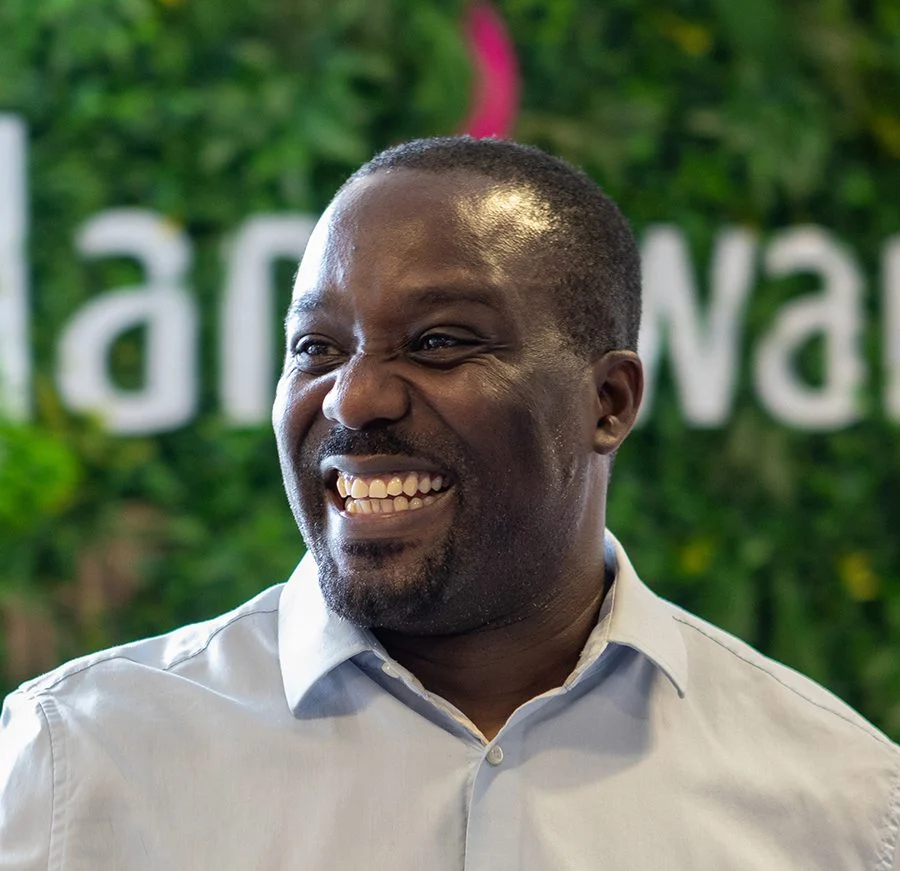
Manchester has been my home for some time, having studied at the University of Salford and created the UK office of Planisware in MediaCityUK back in 2016. I was thrilled to hear about UKTN’s focus on Manchester and its surrounding area because I firmly believe the North West has all the ingredients to drive future innovation.
Greater Manchester has a strong history in tech, with strengths in AI, e-commerce, cyber, and more playing to its £5bn reputation. Planisware, an industry leader in the project portfolio management and strategic portfolio management scene, is no stranger to tech innovation. Our engagement with the Manchester ecosystem underpins our drive to be a net-positive contributor to the area.
Our regional engagement includes working with local colleges to deepen talent pools; supporting those from under-represented backgrounds to ensure equal access to our industry; and working with universities to increase access to current leadership thinking and tech in lecture rooms. My role as the chair of the Industry Advisory Board at Salford Business School aims to achieve the above. Manchester is the largest city region economy outside of London. By increasing collaboration between schools and industry, championing D&I representation, and delivering industry thought leadership content, we can maintain this status.

![]() ![]() |
Kai Ojo, |
![]() ![]() |
Salford Business School is proud to sponsor this insightful UKTN regional report, further highlighting Greater Manchester's place as a leading global tech hub. Based at the heart of the Greater Manchester business and digital sector, our deep-rooted connection to this dynamic region guides our mission of preparing students for a digital future.
Here at the school, we are committed to creating an inclusive tech talent pipeline that mirrors the diversity of our city. Many of our students are pioneers in their families, breaking new ground by being the first to attend university. Their commitment mirrors our belief in education as a catalyst for change. Sponsoring this report reinforces our dedication to Greater Manchester's thriving digital and tech scene.
Greater Manchester's historical role in the industrial revolution positions it perfectly for leading the digital revolution. Recognising that every business is now a technology business and that technology impacts on every job function, Salford Business School is committed to developing a digitally-savvy cohort of future professionals. By embedding digital certifications into the curricula, we ensure our approach is genuinely inclusive and available to all, including those who combine study with work or caring responsibilities.
By sponsoring this report, we reaffirm our dedication to enriching the regional tech ecosystem, and we eagerly anticipate supporting the growth of businesses and individuals locally, nationally, and globally.
![]() ![]() |
Professor Janice Allan, |
![]() ![]() |
To provide the best experiences, we and our partners use technologies like cookies to store and/or access device information. Consenting to these technologies will allow us and our partners to process personal data such as browsing behavior or unique IDs on this site and show (non-) personalized ads. Not consenting or withdrawing consent, may adversely affect certain features and functions.
Click below to consent to the above or make granular choices. Your choices will be applied to this site only. You can change your settings at any time, including withdrawing your consent, by using the toggles on the Cookie Policy, or by clicking on the manage consent button at the bottom of the screen.