

British Transport Police (BTP) has become the latest law enforcement organisation in the UK to explore Live Facial Recognition (LFR) technology, starting from Wednesday.
Various UK legal institutions have been launching trials, with central government keen on supporting AI-powered LFR as a method of improving efficiency across the entirety of law enforcement.
Several police forces including Thames Valley and the Metropolitan Police have rolled out vans fitted with the technology, while government departments including the Ministry of Justice and the Home Office have been exploring using it to support the probation service and immigration control.
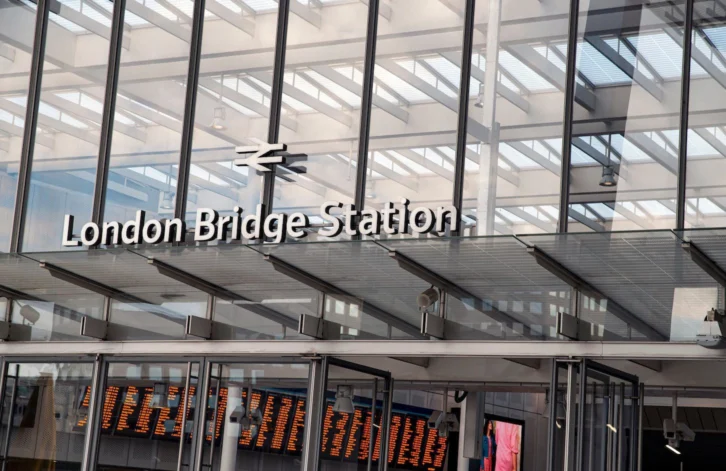
BTP has become the latest to launch a trial, with the operation beginning today at London Bridge railway station.
Cameras will scan the faces of passengers in the station and compare them to a watchlist of offenders and flagging the system in cases of a match that will then be reviewed by officers.
For now the LFR cameras will only be in use in what BTP is calling the “recognition zone”, and BTP chief superintendent Chris Casey has said that those who “prefer not to enter the recognition zone will have alternative routes available and images of anyone not on the authorised database will be deleted immediately and permanently”.
The pilot will last six months and other locations in which it will apply will be published ahead of time by BTP.
“The project team have spent a significant amount of time working closely with partners including Network Rail, the Department for Transport and the Rail Delivery Group to get us to this stage,” Casey said.
“I want to reiterate that this is a trial of the technology to assess how it performs in a railway setting. The initiative follows a significant amount of research and planning, and forms part of BTP’s commitment to using innovative technology to make the railways a hostile place for individuals wanted for serious criminal offences, helping us keep the public safe.”
While organisations conducting the trials have reported success, the increased use of facial recognition by British law enforcement has naturally spurred criticism from privacy advocates as well as those with concerns about accuracy and racial bias.
Responding to critics, Tony Kounnis, chief executive of Face Int UK and Europe said: “These concerns cannot and should not be ignored.
“Without proper oversight around the efficacy of the technology being used, as well as the ways people’s biometric data is then being analysed and stored, then we’ll be sleepwalking into a potential crisis.”
Face Int UK develops facial recognition technology with a focus on woekplace security, replacing things like key cards and fobs.
Kounnis added: “For all its potential, facial recognition technology can also do damage if it’s not deployed responsibly and with accuracy and privacy at its core, so for all the good news about how it’s being used, both the developers and users of facial recognition technology must address people’s concerns with transparency and rigour.”